
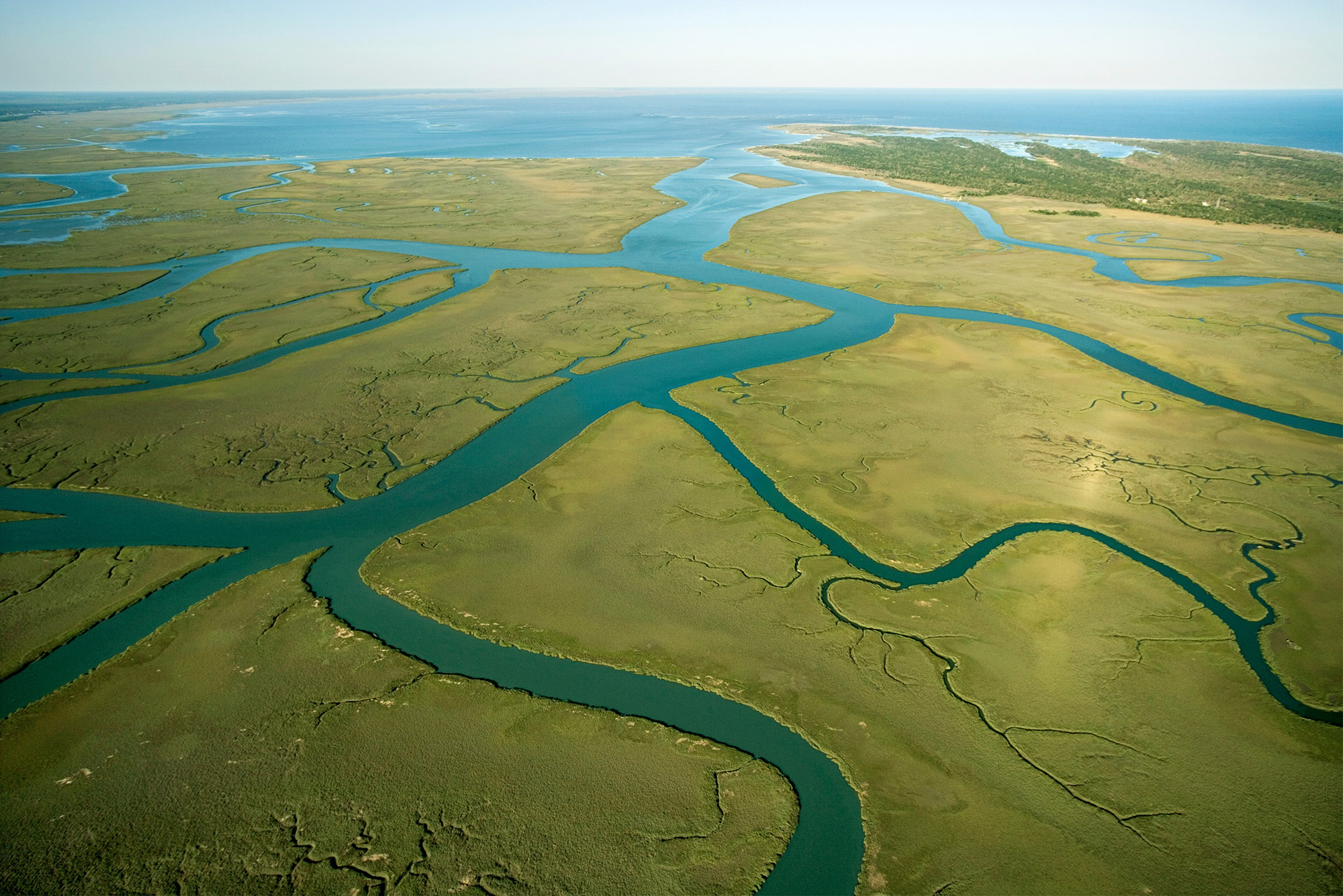
Transboundary water management

Effective transboundary water management enhances access to critical services such as safe drinking water, sanitation, food security, health, prosperity, clean energy, and healthy ecosystems.

Fair sharing of contested water resources

Unfair, outdated, or missing water cooperation agreements and corresponding mechanisms between countries can compromise the peaceful use of shared waters. Blue Peace aims to promote water cooperation at the interstate level by convening different stakeholders to meet, exchange views, and build mutual trust and confidence in these mechanisms.

Benefits of joint water management

Rather than letting water become a source of interstate tensions and conflicts, joint efforts to better manage water resources hold the potential to turn water into a vector of peace and well-being. Water cooperation thus offers multiple benefits:

  • Cleaner water by improving water quality monitoring through regional water quality databases, as illustrated by the Nile Basin Initiative.
  • Improved health by reducing waterborne diseases through co-owned hydraulic infrastructures for potable water supply as those managed by the Senegal River Basin Organisation.
  • Better food security through more stable harvests across a basin through collaborative efforts that improve irrigation systems, as implemented by the Mekong River Commission.
  • Cleaner energy by providing hydropower for millions of people and safeguarding vital ecosystems as seen in the collaborative Lesotho Highlands Water Project.
  • Innovative economic development by promoting attractive tourism experiences such as along the Danube River.
  • Smarter adaptation to climate change by enabling effective spatial planning at the basin level in order to better adapt to changing weather patterns and water cycles.
42

of the 153 countries sharing transboundary waters have at least 90% of their shared waters covered by cooperative arrangements.